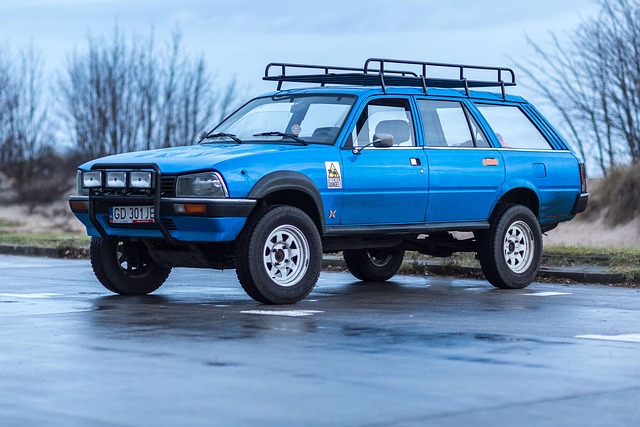
TL;DR: This comprehensive guide explores how Brownsville 4×4 accessories can enhance fleet maintenance, offering tailored solutions for improved durability, safety, and operational efficiency in challenging terrain. Discover expert tips and essential accessories for maximizing the performance of your fleet in diverse environments.
Introduction: Embracing the Power of Brownsville 4×4 Accessories
In today’s demanding transportation landscape, efficient fleet maintenance is paramount to success. For operations navigating rugged territories, integrating Brownsville 4×4 accessories can be a game-changer. This article delves into the strategic utilization of these specialized components, empowering fleet managers to optimize performance, enhance safety, and streamline maintenance routines.
I. Understanding the Need for Customized Fleet Maintenance Solutions
The Unique Challenges of Off-Road Operations
Brownville 4×4 accessories are designed to address the specific demands of off-road vehicles and fleets operating in harsh environments. These challenges include:
-
Rugged Terrain: Navigating uneven, rocky, or muddy surfaces places immense strain on vehicle components.
-
Extreme Weather Conditions: Exposure to intense heat, cold, and precipitation can accelerate wear and tear.
-
Remote Locations: Limited access to maintenance facilities necessitates self-sufficient troubleshooting and repairs.
Benefits of Incorporating 4×4 Accessories for Fleet Maintenance
Strategically chosen accessories offer numerous advantages:
-
Enhanced Durability: Toughened parts can withstand the rigors of off-road travel, minimizing breakdowns and extending vehicle lifespans.
-
Improved Safety: Advanced lighting systems, reinforcement brackets, and enhanced traction control contribute to safer operations in challenging conditions.
-
Increased Efficiency: Well-equipped vehicles require less frequent repairs, reducing downtime and optimizing fleet utilization.
II. Key Components for Comprehensive Fleet Maintenance
1. Robust Exhaust Systems: Breathing Easier in Harsh Environments
Off-road adventures produce significant heat and particulate matter, demanding robust exhaust systems that withstand corrosion and maintain optimal engine performance.
-
Material Selection: Opt for high-quality stainless steel or aluminum alloys resistant to extreme temperatures and environmental factors.
-
Design Considerations: Choose systems with increased ground clearance to prevent damage from obstacles and ensure efficient gas flow.
2. Reinforced Suspension Components: Smooth Riding Over Uneven Terrain
Navigating rough terrain can take a toll on suspension systems. Upgrading with reinforced components ensures a smoother ride and improves vehicle control.
-
Shock Absorbers and Springs: Invest in high-performance shocks and springs designed for off-road use, offering superior dampening and spring rate.
-
Control Arms and Brackets: Reinforced control arms and brackets enhance stability by minimizing swaying and improving cornering precision.
3. Advanced Lighting Systems: Illuminating the Path Ahead
Clear visibility is critical in low-light conditions or remote areas. High-output lighting systems ensure drivers can navigate safely, even in challenging terrain.
-
LED Headlights: Replace stock headlights with LED options offering brighter illumination without excessive heat generation.
-
Off-Road Lights: Integrate additional lights like fog lamps and work lights for improved visibility during night operations or in dense foliage.
4. Traction Enhancement: Gaining Grip on Slippery Surfaces
Tires are the primary point of contact with the road, and off-road conditions can demand specialized tread patterns and enhanced traction control.
-
All-Terrain Tires: Fit your vehicles with high-quality all-terrain tires designed to handle mud, sand, and rocks while maintaining superior grip.
-
Diff Lock Systems: Implement mechanical or electronic differential lock mechanisms to prevent wheel spin and enhance traction during challenging pulls or climbs.
III. Routine Maintenance Practices for Optimal Fleet Performance
A. Pre-Trip Inspections: Preventing Unexpected Malfunctions
Regular pre-trip inspections are crucial for identifying potential issues before they become major problems. Implement a structured checklist covering:
-
Tire Condition: Check tire pressure and tread depth, ensuring proper inflation and wear.
-
Exhaust System Integrity: Inspect for any signs of damage, corrosion, or leaks in the exhaust system.
-
Suspension Components: Visually inspect control arms, springs, and shocks for wear, cracks, or damage.
B. Fluid Monitoring: Keeping Systems Running Smoothly
Regular monitoring and topping up of critical fluids is essential to prevent overheating, component failure, and reduced performance. Key fluids to track include:
-
Engine Oil: Maintain proper oil levels and ensure use of the recommended grade for optimal engine protection.
-
Coolant: Check coolant levels regularly, especially in regions with extreme temperatures, to prevent overheating.
-
Transmission Fluid: Monitor levels and condition of transmission fluid to ensure smooth gear shifting and protect internal components.
C. Timely Service and Repairs: The Foundation of Fleet Maintenance
Adhering to manufacturer recommendations for service intervals is vital. Regular servicing includes:
-
Oil Changes: Follow the prescribed oil change schedule to ensure optimal engine performance and longevity.
-
Filter Replacement: Replace air, fuel, and cabin filters regularly to maintain efficient engine operation and passenger comfort.
-
Brakes and Belts: Inspect brake pads and rotors, as well as drive belts, for wear and replace as necessary to ensure safe and reliable operations.
IV. Technology Integration for Efficient Fleet Management
A. Telematics: Tracking and Optimizing Your Fleet
Telematics systems provide valuable insights into vehicle performance, driver behavior, and maintenance needs, enabling data-driven decisions. Key features include:
-
Real-Time Tracking: Monitor fleet location, speed, and route history for improved safety and efficiency.
-
Driver Behavior Analysis: Assess driving habits to encourage safe practices and reduce fuel consumption.
-
Maintenance Reminders: Receive alerts for scheduled service and potential issues, ensuring proactive maintenance.
B. Diagnostic Tools: Streamlining Repairs and Maintenance
Invest in high-quality diagnostic tools compatible with your vehicles to quickly identify and resolve problems. These tools allow for:
-
Code Reading: Scan for error codes stored in the vehicle’s computer to pinpoint issues accurately.
-
Sensor Monitoring: Analyze sensor data to detect anomalies and potential failures before they impact performance.
-
Remote Diagnostics: Utilize remote access capabilities to diagnose issues from a centralized location, expediting repair processes.
Frequently Asked Questions
-
Q: How often should I replace my 4×4 tires?
A: All-terrain tire lifespan varies based on usage and terrain. Inspect tires regularly for wear and replace them when the tread depth reaches the minimum recommended level (usually 2/32nd inch or 0.8 mm). -
Q: What are the benefits of using a differential lock system?
A: Differential locks prevent wheels from spinning when traversing slippery or uneven surfaces, enhancing traction and control during challenging pulls or climbs. -
Q: Can I use regular car wash methods for my off-road vehicle?
A: While regular washing is essential, off-road vehicles require a more thorough approach due to mud, dirt, and debris buildup. Hand washing or specialized off-road car washes are recommended to avoid damaging components. -
Q: How do I choose the right exhaust system for my fleet?
A: Consider factors like material, design, and compatibility with your vehicle’s specifications. Consult with experts to ensure the chosen system enhances performance without compromising integrity. -
Q: Is investing in telematics worth it for my fleet?
A: Absolutely! Telematics offers significant advantages in tracking, safety, and cost savings by providing real-time data and insights into your fleet’s operations.
Conclusion
Implementing Brownsville 4×4 accessories and adhering to robust maintenance practices empowers fleet managers to confidently navigate diverse terrains while ensuring the longevity and reliability of their vehicles. By prioritizing regular inspections, timely service, and technology integration, fleets can achieve optimal performance, enhance safety, and minimize operational costs. Embracing these strategies ensures your off-road operations run smoothly, even in the most challenging environments.